It Happened to Me

“It shouldn’t have to happen to you for you to care about it.”

It’s a mantra I’ve heard more and more as politics seem to drift further and further away from passing policy and more about hurting the “other” by every legal means. I’ve heard it said about poverty, Social Security, racism, homophobia, gun violence–the list goes on. It’s a mantra I’ve said. But, in the same way you can’t truly understand some kinds of pain until you’ve experienced it firsthand, you don’t fully understand the phrase until something that hasn’t happened to you, has.

Two weeks ago, that did.

On February 13, the thing we as Americans have resigned ourselves to living with happened yet again: a man, maybe because of a mental health crisis, maybe because he was indoctrinated by some extremist movement, maybe because he wanted to feel powerful by taking life, came to a place that’s supposed to be safe armed, and shot and killed multiple people. The man? Not important. The location? Michigan State University. What was scary? A bunch of my friends are current students there. In addition, of the eight people hit by the gunmen, one of the three deceased and all five injured had their identities kept anonymous. Meaning there was a blank spot, a gravestone

Therefore, I had to do what I’d only heard of in articles and PSAs: text my friends at Michigan State and pray I got a response from them. It was a paralyzing couple of minutes between me sending the messages and getting responses. I kept thinking of an article I’d read about parents of the children of Sandy Hook, written by a mother of a surviving child. She described standing outside the school on the day of the violence, of seeing parent after parent run into the school and then hearing their anguished screams as they identified their child’s body. Would that be me?

Thankfully, it wasn’t. All of my MSU friends quickly responded. As it turns out, most of them weren’t on campus at the time of the shooting. But for those few minutes, I got a taste of what millions of Americans experience on the regular.

It happened to me. I didn’t not care before I sent those texts, but I care in a way I couldn’t before February 13, 2023.

So, my conclusion is simple.

Congress, this has happened to you, too. On January 6, 2021, you were forced to run to safety and hide and hope that the dangerous people with guns that stormed into the place where you were supposed to be safe. You’ve experienced the terror that kids and parents nationwide have lived with for decades. You have no excuse.

Pass gun control legislation. End this madness.

End of story.

It shouldn’t have to happen to you for you to care about it.
“What Is a Woman?”

“Can you provide a definition of the word ‘woman’?”

The question was asked by Senator Marsha Blackburn (R-Tennessee) to then-Supreme Court nominee Ketanji Brown Jackson. It was a trap question, asked at a time where rising levels of hostility towards LGBTQ+ people was everywhere in the news and meant to, as the kids say, “dunk” on Jackson’s progressive stance towards LGBTQ+ rights and issues.

When the clip hit the news, I rolled my eyes at yet more political theater from the modern Republican Party and promptly forgot about it once Ketanji Brown Jackson was confirmed as a Supreme Court Justice. But a few weeks ago, the exchange came back to my mind when I was asked a question myself.

It was lunchtime at work, and as I grabbed my lunch box from the fridge, my coworker asked me if I thought he was feminine. Now, context: this coworker is openly gay. I didn’t want to pry, but I got the feeling he was asking me if he fell into certain stereotypes about gay men.

To prevent stepping on toes, I asked him, “[Coworker,] what do you mean by ‘feminine’?”

He wasn’t sure what I meant, so I explained.

There are a lot of different ways that men are masculine. In this exchange with my coworker, I used the example of the late great James Gandolfini, who despite being overweight, balding, and sounded like he came down with a nasal infection in college and never got better, exuded masculine energy, both as himself and as Tony Soprano.

It’s called a rhinoplasty, T. Might drain that congestion you’ve had since kindergarten.

You’ve probably heard the term “toxic masculinity” by now. If you haven’t, it’s defined as:

a cultural concept of manliness that glorifies stoicism, strength, virility, and dominance, and that is socially maladaptive or harmful to mental health.

Dictionary.com

I’m not going to deep-dive into the topic of toxic masculinity now (though I can in the future), but the ultimate point I made to my coworker was: despite these “man rules” that so many people try to treat as absolute, so many men who are unquestionably manly break this mold and never have their masculinity questioned.

Stoicism is supposed to make you a man, yet Walter Cronkite famously had to stop himself from weeping on-air when announcing the death of President Kennedy; nobody says Walter Cronkite’s not a man.

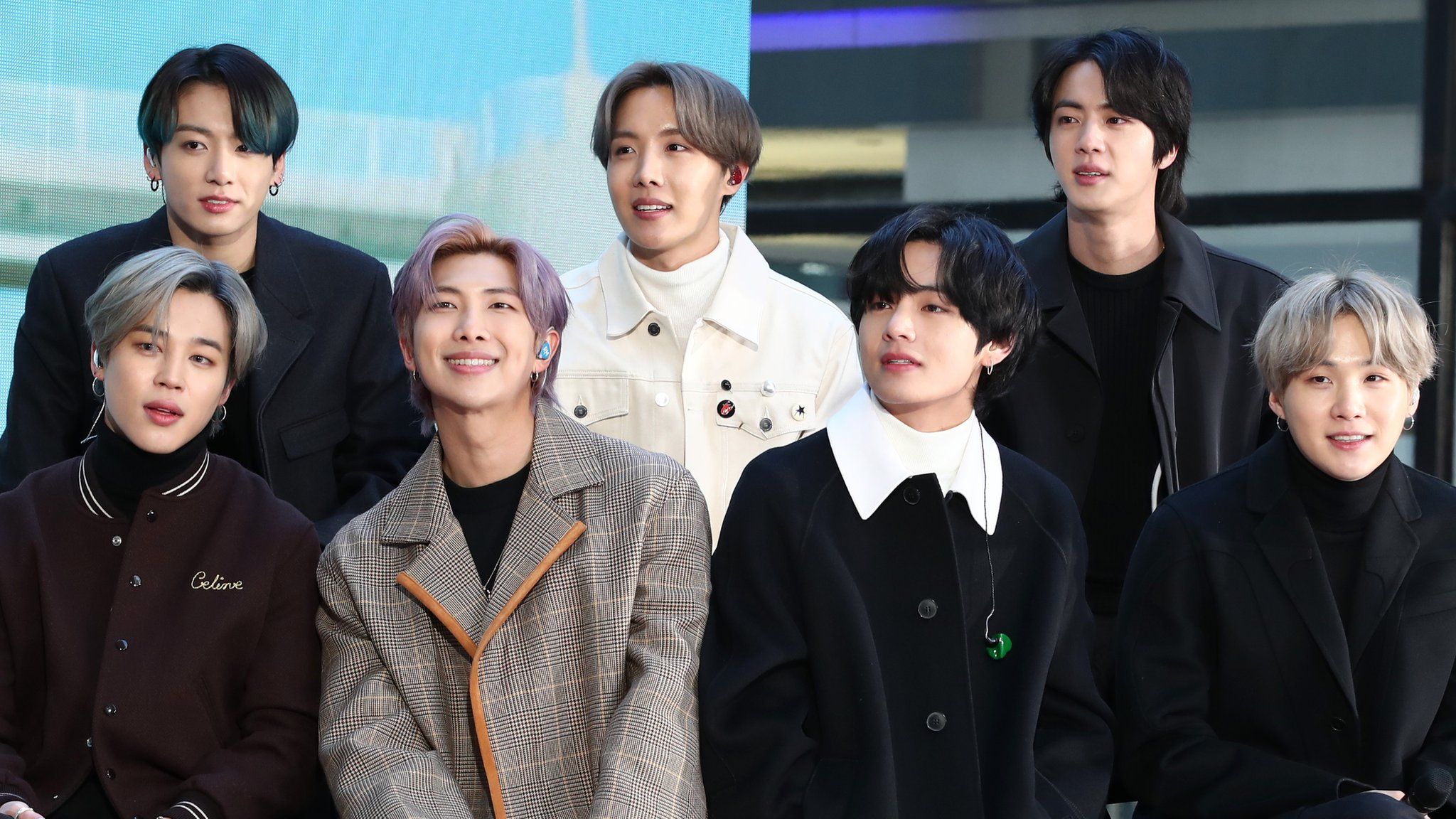
If strength is what makes a man, explain the popularity of K-Pop bands like BTS, where none of the members are beefcakes. Can you really look at their mega-success, see the hundreds of thousands of female fans swooning over them at their concerts, and say they’re not manly because they’re not benching 1,000?

Virility is defined as “the quality of having strength, energy, and a strong sex drive.” Stephen Hawking reached all kinds of academic heights, making breakthroughs in theoretical physics, was a professor at Cambridge, and wrote several bestselling books. And he did all of this while a muscular disease confined him to a wheelchair and slowly atrophied his body, to the point that at the time of death in 2018, the only properly functioning muscle in his body was one of his cheeks. Does the fact that Hawking wasn’t a strapping specimen diminish his accomplishments, make him less of a man?

YOU KNOW THE ANSWER TO THAT QUESTION ALREADY. ALSO, YOU’RE READING THIS IN THE VOICE OF MY SYNTHESIZER.

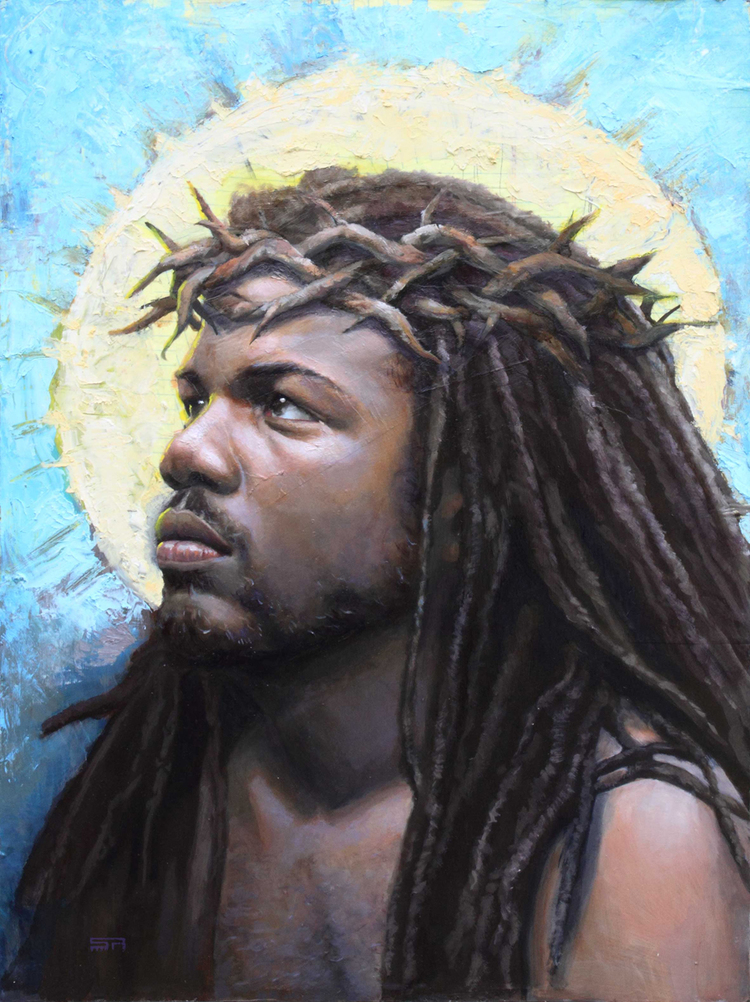
Dominance is supposed to be manly. Yet when Roman soldiers came for Jesus, He not only submitted to the horrible punishment awaiting him, but healed a soldier one of His disciples attacked. Are you going to tell me Jesus wasn’t a man?

“And if you are, what voltage do you want the lightning bolt to be?”

After laying out all of this, I returned to my question: if there are all these different ways to be masculine, then there were presumably as many different ways to be feminine. So, I needed my coworker to have a specific definition of feminine. I could see the cogs turning as my coworker processed that, and he nodded and accepted the question as moot.

So, to conclude: to my men out there, you are masculine. You’re a man if you’re straight. You’re a man if you’re LGBTQ+. You’re a man if you’re a pack of muscle. You’re a man if you’re a string bean. You’re a man if you’re rich. You’re a man if you’re poor. You’re a man even if other people call you feminine. Heck, you might be even more of a man then, because in a world full of posturing alpha-bros, a man who chooses to show vulnerability, to be in tune with their emotions, to be passionate and open, is a treasure.

To my ladies: you are feminine. You’re feminine if you’re a mother. You’re feminine if you don’t have/want kids. You’re feminine if you work. You’re feminine if you stay at home. You’re feminine if you’re straight. You’re feminine if you’re LGBTQ+. You. Are. Feminine.

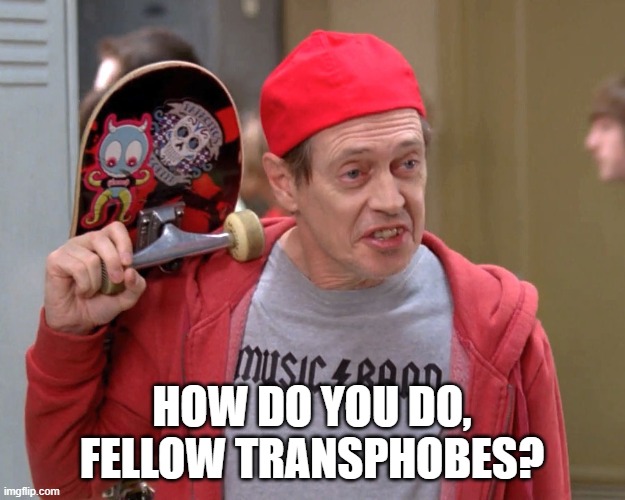
To Senator Blackburn (on the off-chance she finds this): a woman is whatever she wants to be. Now, less transphobia and more acknowledging that Taiwan deserves independence, please and thank you.